
Massachusetts Rent Increase Calculator 2025 Local Only
Statutory cap, exemptions, and notice rules under Mass. Gen. Laws ch. 40P (2023)
If you rent or own property in Massachusetts, the bottom line is this: there is no statewide cap on rent increases. The amount your rent can rise is determined by your lease and the wider market, not by a percentage written into state law. That changed in 2023, when the legislature enacted Mass. Gen. Laws ch. 40P, which for the first time in nearly three decades gives individual municipalities a path to enact local rent stabilization. The catch is that any local cap requires state approval before it can take effect, and the formula itself is set city by city rather than by Beacon Hill.
For now, that makes Massachusetts a patchwork. A handful of high-cost municipalities are actively pursuing ordinances, while the rest of the state remains entirely market-rate with no ceiling on what a landlord may charge at renewal. Average rent across Massachusetts sits at roughly $1,641, and where you live determines whether any local rule could ever apply to your unit. Below, we break down which cities are moving on rent regulation, what ch. 40P actually allows, and what the rule is for everyone else.
Which Massachusetts cities are pursuing rent regulation
Massachusetts is a local-option state for rent control. No city currently has an active statewide-approved cap, but several are working through the ch. 40P process or have signaled intent to:
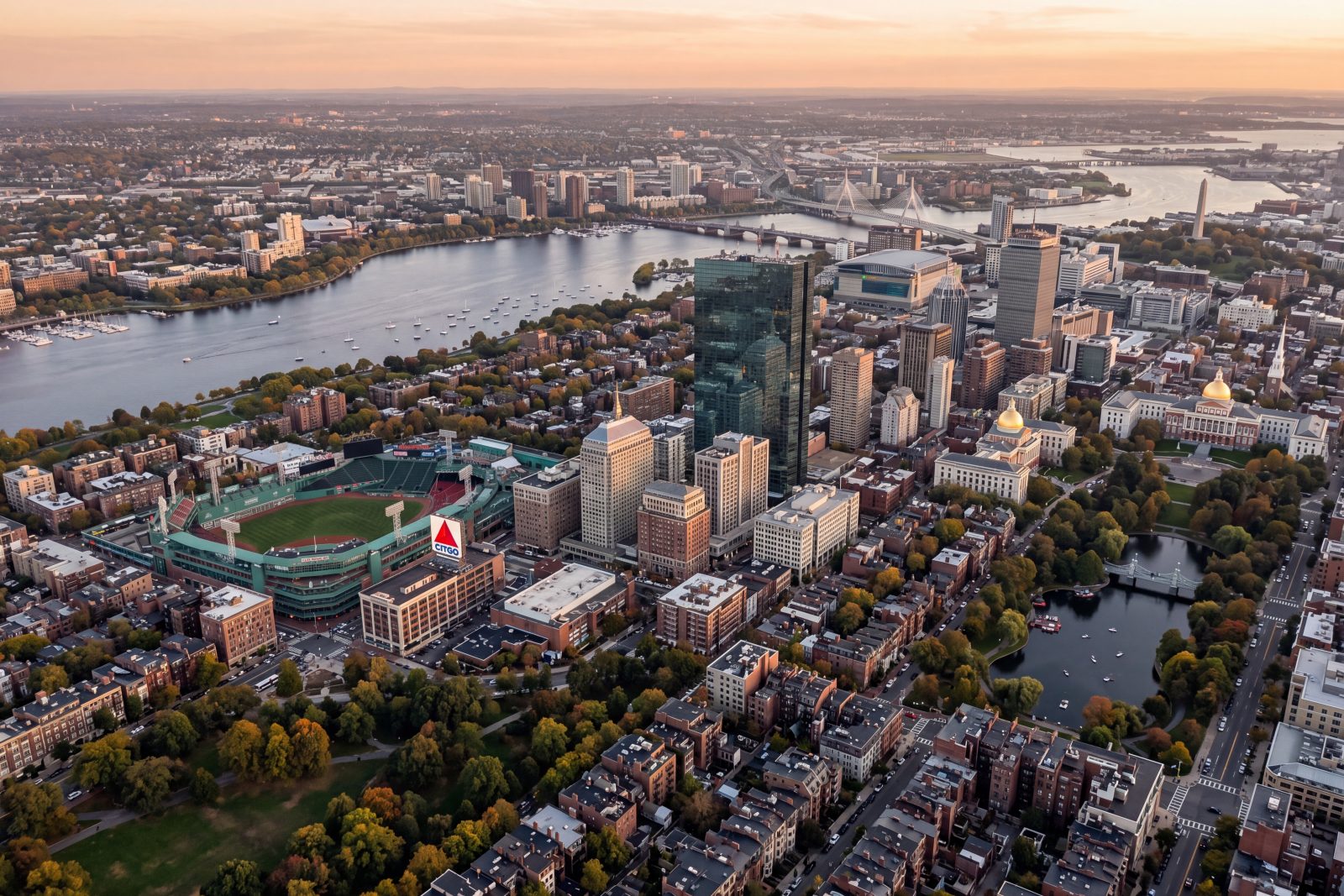
- Boston, the largest market in the state and the most prominent advocate for a home-rule rent stabilization measure.
- Cambridge, historically one of the few Massachusetts cities with rent control before the 1994 ban; a natural candidate to seek a new ordinance.
- Somerville, has publicly pursued rent stabilization alongside Boston.
- Brookline, among the higher-cost municipalities watching the local-option route.
Until a given city's ordinance is both enacted locally and approved at the state level, no cap applies there. Renters and landlords in these cities should track their municipal government's progress rather than assume a limit already exists.
What ch. 40P actually allows
Mass. Gen. Laws ch. 40P (2023) does not itself cap rent. Instead, it removes the blanket prohibition that had stood since 1994 and creates a mechanism: a municipality may design its own rent stabilization rule, but the cap formula is set by each municipality under ch. 40P, and it requires state approval before taking effect. That means there is no single Massachusetts percentage to point to, the limit in Boston could differ from the limit in Cambridge, and both must clear a state review.
Because the statute delegates the math to local government, this calculator reflects the structure rather than a fixed figure. If your municipality has not enacted and secured approval for an ordinance, the practical answer is that no statutory cap governs your renewal, and the increase is whatever your lease and the market permit.
The rule everywhere else in Massachusetts
Outside the cities pursuing ordinances, Massachusetts has no limit on how much a landlord can raise rent. For a tenant-at-will or a tenant whose lease is expiring, the landlord may propose any increase at renewal, there is no percentage ceiling and no requirement that the increase track inflation. What the law does regulate is the process: a rent increase for an at-will tenant generally requires proper written notice and, in practice, cannot take effect mid-lease for a fixed-term tenant whose rent was already agreed.
This is the single most important point for renters statewide: absent a local ch. 40P ordinance covering your address, the figure you negotiate or accept at renewal is the figure that governs. There is no state agency that will roll back an increase simply for being large.
Recent legislative activity
The defining development is the 2023 passage of ch. 40P, which replaced the statewide ban that voters approved by ballot in 1994. For 29 years that ballot measure preempted any city from adopting rent control; ch. 40P reversed that posture and handed the decision back to municipalities, subject to state sign-off.
The result is a transitional moment. Boston, Cambridge, and Somerville are the most active in pursuing ordinances, and the contours of any future cap, including the percentage, exemptions, and covered buildings, will be defined at the municipal level as those proposals advance. Massachusetts renters and owners should expect the rules in regulated cities to look different from one another, and should treat the current statewide environment as uncapped until a specific local ordinance is approved.
Key Rules Summary
| Rule | Requirement | Source |
|---|---|---|
| Statewide cap | None | Mass. Gen. Laws ch. 40P (2023) |
| 2025 maximum increase | No limit | |
| Notice required | Typically 30-60 days written notice | State landlord-tenant law |
| Retaliation prohibited | Yes, increases cannot be retaliatory or discriminatory | Federal Fair Housing Act + state law |
Cities with Local Rent Control Ordinances
These Massachusetts cities currently have or are actively developing rent stabilization ordinances. Caps and covered-unit definitions vary, check your city's municipal code or housing authority for the current allowable increase.
Frequently Asked Questions
How much can my rent increase in Massachusetts in 2025?
There is no statewide cap. Unless your city has an approved rent stabilization ordinance under ch. 40P, your landlord may raise the rent by any amount at renewal. The increase is set by your lease and the market, not by a state percentage.
Is rent control legal in Massachusetts?
Yes, but only locally. A 1994 ballot measure banned rent control statewide; Mass. Gen. Laws ch. 40P (2023) replaced that ban and now lets municipalities enact rent stabilization with state approval. Boston, Cambridge, and Somerville are among those pursuing ordinances, but no statewide-approved cap is in force yet.
How much notice is required to raise rent in Massachusetts?
For an at-will tenant, a landlord generally must give proper written notice before a rent increase takes effect. For a fixed-term lease, rent typically cannot be raised mid-term, the increase applies at renewal. Always check your written lease and any local ordinance for added requirements.
Does a rent cap apply to my unit?
Only if your municipality has enacted and received state approval for a ch. 40P ordinance covering your address. If you do not live in a city with an approved local ordinance, no cap applies to your unit and your renewal increase is whatever the market and your lease allow.
This page summarizes Massachusetts rent regulation under Mass. Gen. Laws ch. 40P (2023), which authorizes municipal rent stabilization with state approval and replaced the 1994 statewide ban; average rent figures reflect U.S. Bureau of Labor Statistics CPI rent data, and local ordinance status should be confirmed with the relevant city government and the Massachusetts Executive Office of Housing and Livable Communities. Last reviewed June 2026. This is informational only and not legal advice; consult a licensed Massachusetts attorney about your specific situation.
Related Guides for Massachusetts Landlords
Rent Increase Laws in Other States
Statutory data sourced from published Massachusetts law (Mass. Gen. Laws ch. 40P (2023)), BLS Consumer Price Index (2024-2025), and state agency publications. Census ACS 2023 5-Year Estimates for average rent. Last updated October 13, 2026. This page is informational only and does not constitute legal advice.