
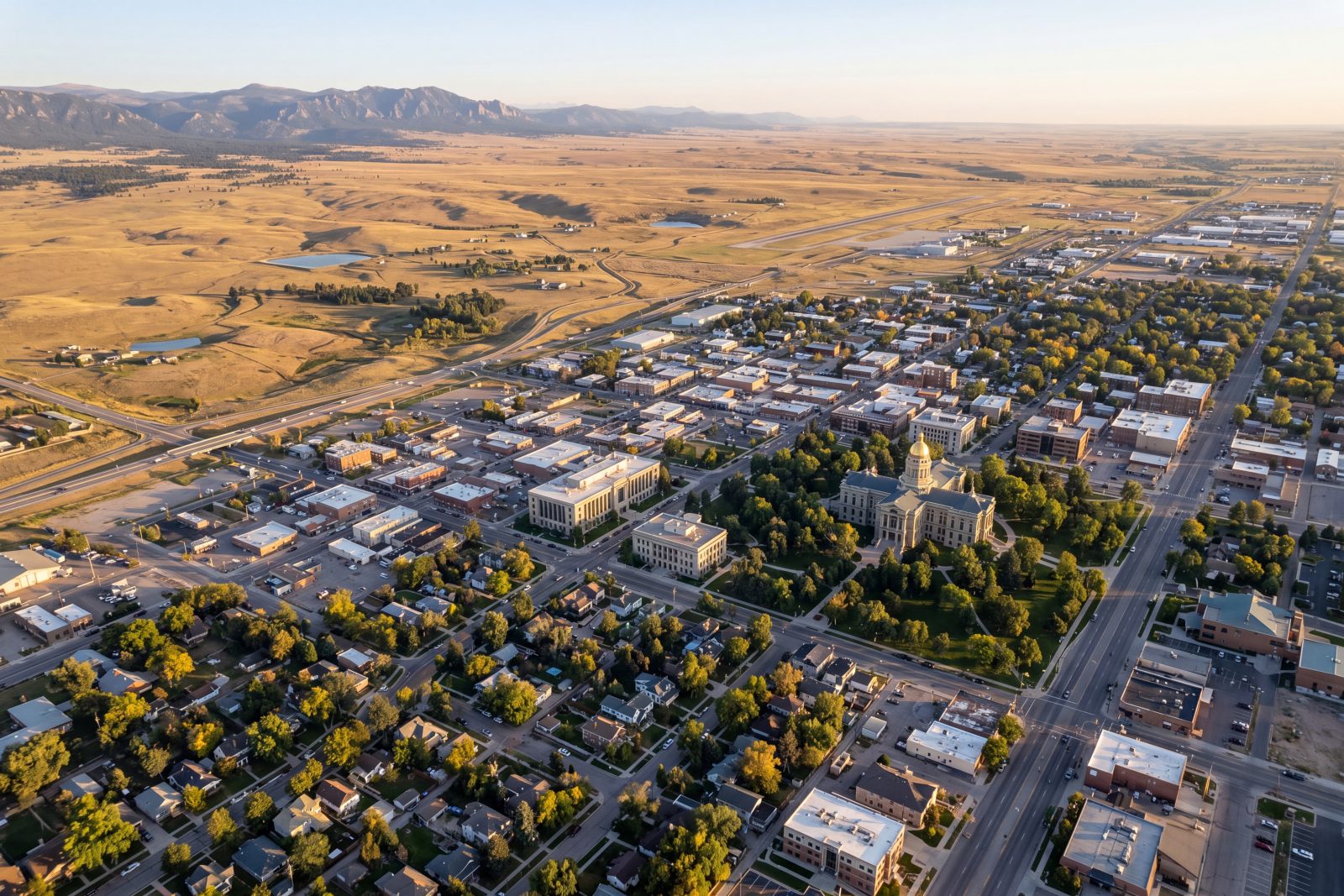
Abandoned Property Laws in Wyoming 2025
What landlords must do with personal property left behind after eviction or abandonment, under Wyo. Stat. Ann. § 1-21-1210
14-day notice; landlord may dispose thereafter.
When a Wyoming tenancy ends and the tenant leaves belongings behind, the disposal rules are set by a single statute: Wyo. Stat. Ann. § 1-21-1210, part of the Wyoming Residential Rental Property Act. It applies only after the rental agreement has been terminated and you have lawfully regained possession of the unit. The statute is landlord-friendly and short on formality: anything the tenant leaves behind is presumed valueless and abandoned, you can immediately throw out trash and hazardous or perishable items, and for anything else a single 7-day written notice clears the way to keep or dispose of it. There is no auction requirement, no lien, and no obligation to hand sale proceeds back to the tenant.
Step-by-Step: Handling Abandoned Property in Wyoming
Follow these steps precisely to protect yourself from liability under Wyo. Stat. Ann. § 1-21-1210:
- Document the abandoned property immediately. As soon as you regain possession of the unit, conduct a thorough walk-through. Take dated photographs and video of all items left behind. Create a written inventory listing each item, its approximate condition, and estimated value. This documentation is your primary protection against later claims.
- Send required written notice. Mail or deliver written notice to the tenant's last known address and any forwarding address you have on file. Under Wyo. Stat. Ann. § 1-21-1210, you must give 14 days notice before disposing of or selling the property. The notice should describe the items, their location, and the deadline for retrieval.
- Secure the property during the notice period. While storage is not legally required in Wyoming, keeping items in a secure location establishes a clear paper trail and protects potentially high-value items from claims of damage or disappearance.
- Assess the property. Even without a statutory value threshold, document estimated values for each item. If items appear potentially valuable, consider a public sale to maximize recoverable costs and minimize dispute risk.
- Apply sale proceeds to costs. After the notice period expires and any required sale is conducted, apply proceeds first to unpaid rent, then to storage costs, then to sale costs. Remit any remaining balance to the tenant. Keep detailed records of all calculations.
- Retain all records for at least 3 years. Keep your written inventory, photographs, notice letters, delivery confirmations, storage receipts, sale records, and proceeds accounting. If the tenant later claims improper handling, this documentation is your defense.
When the abandoned-property rule applies
Section 1-21-1210 is triggered by two conditions: the rental agreement has been terminated and the owner has regained lawful possession of the unit. That usually means the lease expired, the tenant surrendered the keys, or you completed a forcible entry and detainer (eviction) action. Do not treat belongings as abandoned mid-tenancy or during a self-help lockout; Wyoming requires a lawful termination and a lawful re-entry first.
Once those conditions are met, the statute gives you a strong default: any property remaining in the unit is presumed to be both valueless and abandoned. That presumption shifts the practical burden onto the tenant to come forward, but it does not let you skip the notice step for property you actually intend to keep or throw away that has apparent value.
What you can toss immediately vs. what needs notice
The statute draws a clean line. Upon regaining possession, you may immediately dispose of any trash or property you reasonably believe to be hazardous, perishable, or valueless and abandoned. Spoiled food, obvious garbage, broken furniture, and anything unsafe can go without waiting.
For property that isn't obviously trash, the safe course is to serve the written notice before disposing of it. The notice must describe the property claimed to be abandoned and state that it will be disposed of after seven (7) days from the date of service unless the tenant takes possession or gives written notice of intent to reclaim it. Photograph and inventory items before you act; the "reasonably believe" standard for immediate disposal is judged after the fact, and good documentation is your defense.
Serving the 7-day notice correctly
Service method matters. Under § 1-21-1210 the notice may be served in one of two ways: by certified mail to an address the tenant furnished in writing specifically for this purpose, or by personal service in accordance with the Wyoming Rules of Civil Procedure. If the tenant never gave you a written forwarding address, certified mail to a guessed address is legally shaky; personal service is the reliable fallback.
The seven-day clock runs from the date of service, not the date you mailed or the date the tenant received it. The Wyoming Judicial Branch publishes a fillable Notice of Abandoned Property form (FED-15) that pairs with eviction cases and captures the required elements. Keep the certified-mail receipt or the process server's return of service in your file.
The timeline: 7 days, or 15 if the tenant responds
There are two possible tracks. If the tenant does not respond in writing within seven days of service, the property is conclusively deemed abandoned and you may retain or dispose of it. That's the common case.
If the tenant does respond in writing within those seven days stating an intent to take possession, you must hold the property for an additional seven days after the written response arrives. If the tenant then fails to actually take possession within that additional 15-day period, the property is conclusively deemed abandoned and you may retain or dispose of it. "Conclusively deemed abandoned" is meaningful language: once the applicable period runs, the tenant loses the right to challenge the disposal.
Storage costs, sale, and proceeds
Wyoming lets you recover the cost of dealing with the property. You are entitled to payment of storage costs for the period the property remains in safekeeping, plus the cost of removing it to storage. You may charge reasonable storage costs if you store it yourself, or actual storage costs if you use a commercial facility. Critically, payment must be made before the tenant removes the property, that pre-payment requirement is your practical leverage, because the statute gives you no formal lien.
What Wyoming does not require is a formal sale process. Unlike some states, § 1-21-1210 has no public-auction requirement, no procedure for a private sale, and no obligation to remit sale proceeds or surplus to the tenant. After the notice period runs, the statute simply authorizes you to "retain or dispose of" the property. If you choose to sell an abandoned item, do so cleanly and keep records, but be aware the statute neither mandates nor regulates a sale, meaning it also provides no built-in shield if a tenant later disputes the value, so documentation of the notice and the item's condition is essential.
Related Guides for Wyoming Landlords
This page summarizes Wyo. Stat. Ann. § 1-21-1210 as it stands in 2026 and is written for landlords and property managers, not as legal advice. Statutory day counts, service rules, and the retain-or-dispose framework are drawn directly from the Wyoming Residential Rental Property Act and the Wyoming Judicial Branch's abandoned-property notice materials. Local court practice and the specifics of your lease and eviction judgment can affect how these steps apply; confirm current text on the Wyoming Legislature site and consult a Wyoming attorney before disposing of property you believe has value.
Frequently Asked Questions
What Wyoming statute governs a tenant's abandoned property?
Wyo. Stat. Ann. § 1-21-1210, part of the Wyoming Residential Rental Property Act. It controls disposition of personal property abandoned by a renter after the rental agreement is terminated and the owner has regained lawful possession.
How long must a Wyoming landlord hold abandoned property?
Seven days from the date the written notice is served, if the tenant does not respond. If the tenant responds in writing within those seven days that they intend to reclaim the property, you must hold it for an additional seven days, an overall 15-day period. After the applicable period runs, the property is conclusively deemed abandoned.
Can I throw out a tenant's belongings immediately?
You may immediately dispose of trash or any property you reasonably believe to be hazardous, perishable, or valueless and abandoned. For property that appears to have value, serve the 7-day written notice first. Photograph and inventory everything before you act.
How do I serve the abandoned-property notice in Wyoming?
Two methods are allowed under § 1-21-1210: certified mail to an address the tenant furnished in writing specifically for that purpose, or personal service under the Wyoming Rules of Civil Procedure. The 7-day clock runs from the date of service. The Wyoming Judicial Branch's fillable FED-15 form captures the required content.
Can I charge the tenant for storage?
Yes. You're entitled to storage costs for the safekeeping period plus the cost of removing the property to storage, reasonable costs if you store it yourself, or actual costs if stored commercially. The tenant must pay those costs before removing the property.
Do I have to sell the property and return the proceeds to the tenant?
No. Wyoming's statute has no public-sale or auction requirement and no obligation to remit sale proceeds or surplus to the tenant. After the notice period, § 1-21-1210 simply lets you retain or dispose of the property. If you do sell an item, keep records, the statute neither mandates nor regulates the sale.
Is there a federal law on abandoned tenant property?
No. There is no general federal statute governing a residential tenant's abandoned belongings; it is controlled by state law and common-law bailment principles. In Wyoming, § 1-21-1210 is the governing rule and it displaces the looser common-law approach.
Statutory citation: Wyo. Stat. Ann. § 1-21-1210. Laws current as of 2025, verify against your state's current statutes before acting. Last updated October 12, 2026. This page is for informational purposes only and does not constitute legal advice. Consult a licensed attorney for your specific situation.