
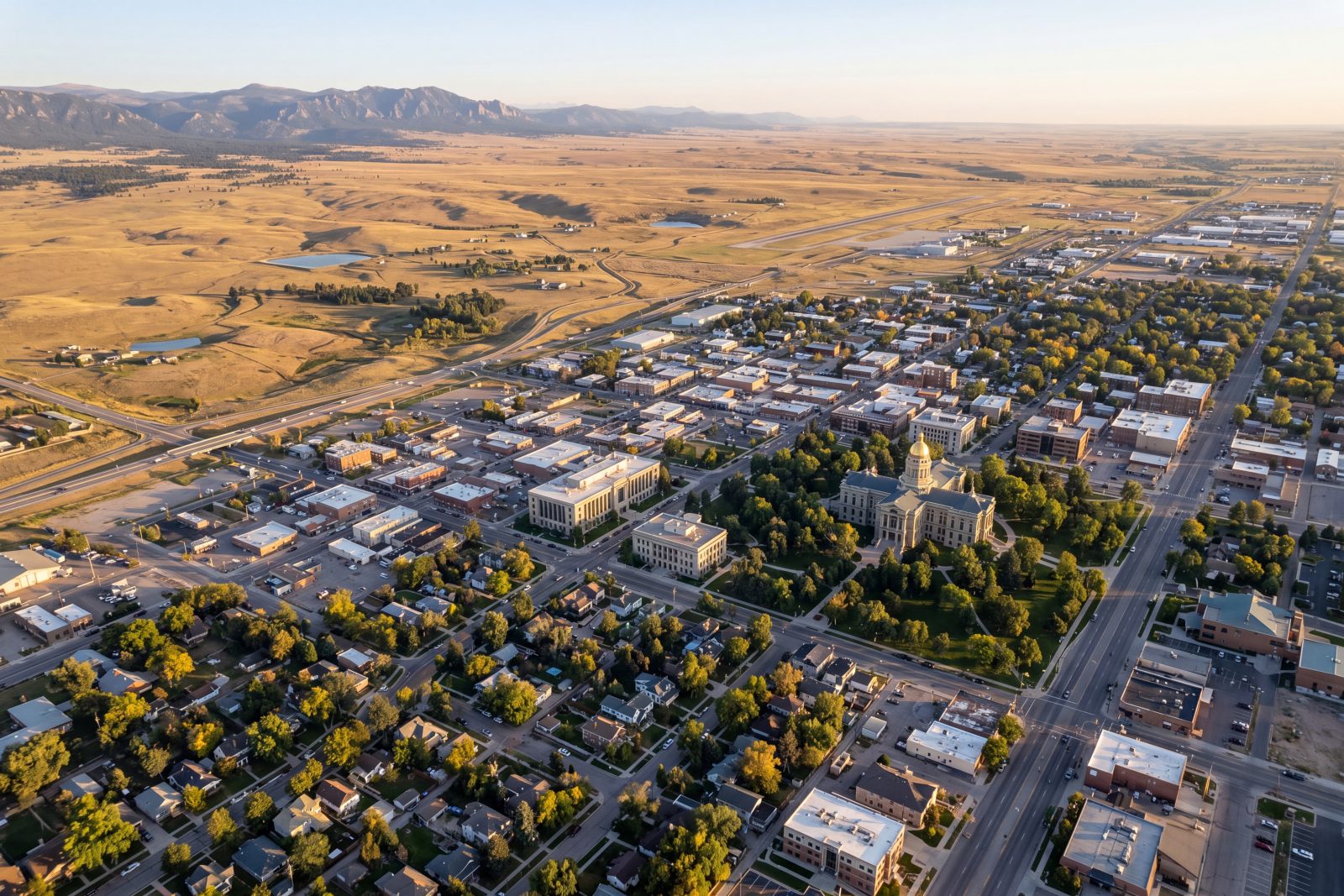
Tenant Protections in Wyoming
Just cause · rent caps · retaliation · habitability · entry · source of income, under Wyo. Stat. § 1-21-1201 et seq. (Residential Rental Property)
Just cause · rent caps · retaliation · habitability · entry · source of income, under Wyo. Stat. § 1-21-1201 et seq. (Residential Rental Property)
Wyoming's approach to residential landlord-tenant law is distinct. For landlords managing 1 to 20 units, understanding these state-specific protections is critical to avoiding costly mistakes and ensuring compliance. Unlike some states with extensive tenant-focused regulations, Wyoming maintains a more landlord-friendly posture, emphasizing contractual agreements and clear statutory procedures. This doesn't mean a free pass; specific rules govern everything from lease termination to security deposits. Ignoring these rules can lead to lawsuits, fines, and wasted time.
The primary legal framework for residential rental properties in Wyoming is outlined in Wyo. Stat. § 1-21-1201 et seq. (Residential Rental Property). This statute dictates the core responsibilities and rights for both landlords and tenants. While local ordinances might add minor variations, the state statute forms the bedrock. There is no statewide "just cause" eviction requirement in Wyoming. This means landlords have more flexibility in terminating tenancies compared to states with stricter tenant protections, but that flexibility operates within defined notice periods and legal processes. Don't assume this flexibility means you can act without notice; do follow the statutory timelines precisely.
Key regulators in Wyoming are primarily the courts. Unlike states with dedicated housing authorities or robust mediation services for landlord-tenant disputes, enforcement largely occurs through the judicial system. District Courts and Circuit Courts handle eviction proceedings and other landlord-tenant actions. There isn't a state agency actively monitoring landlord compliance with every provision of the Residential Rental Property statute. This puts the onus on landlords to understand and adhere to the law, as the first time you might interact with a "regulator" could be when a tenant files a complaint or when you initiate an eviction.
Let's talk about specific numbers, because they matter. For non-payment of rent, Wyoming requires a 3-day notice to quit. This is a short window compared to many states. If rent is due on the 1st and unpaid, you can serve this notice on the 2nd or 3rd. After the 3 days expire, if rent remains unpaid and the tenant hasn't vacated, you can file for eviction. For "no-cause" terminations, which are generally permissible at the end of a lease term or for month-to-month tenancies, a 30-day notice is required. This applies even if a tenant has been exemplary. The notice must be properly served, typically in writing, and clearly state the termination date. Failure to provide the correct notice period or proper service method is a common landlord mistake. For example, a landlord might verbally tell a month-to-month tenant to leave in two weeks because they found a new tenant. That's a direct violation of the 30-day requirement and could invalidate any subsequent eviction attempt.
Security deposits in Wyoming present another area of distinction. There is no statutory cap on the amount a landlord can charge for a security deposit. This means you could theoretically charge an amount equal to three months' rent, though practical considerations and market forces usually dictate a more reasonable figure, often one month's rent. However, while there's no cap on the amount, there are strict rules regarding its return. Wyoming law dictates that a landlord must return the security deposit, or provide an itemized list of deductions, within 30 days of the tenant vacating the premises or within 15 days of receiving the tenant's new mailing address, whichever is later. Failure to meet this deadline can result in the landlord forfeiting the right to withhold any portion of the deposit, and potentially owing the tenant the full deposit amount plus damages.
A common landlord mistake involves security deposits: mixing tenant funds with personal funds. Don't do that. Do keep security deposits in a separate account, clearly identifiable as tenant funds. While Wyoming law doesn't explicitly require an interest-bearing account, commingling funds can create legal headaches and make it harder to account for the deposit properly. Another frequent misstep is deducting for "normal wear and tear." Wyoming law, like most states, prohibits deductions for ordinary deterioration that occurs over time with reasonable use. Deductions must be for actual damages beyond normal wear. For instance, a small scuff on a wall after two years of tenancy is likely normal wear; a large hole punched through drywall is not.
Regarding recent legislative changes, as of recent legislative sessions (including the 2024-2026 period), Wyoming lawmakers have generally maintained the existing framework for landlord-tenant relations, with no major overhauls to core eviction procedures or security deposit rules. While proposals occasionally surface to modify specific aspects, such as increasing notice periods or adding new protections, the prevailing sentiment tends to favor minimal intervention in private contractual agreements. Landlords should, however, remain vigilant and monitor legislative updates from the Wyoming Legislature's official website, as even minor amendments can impact operational procedures. For example, a bill might be introduced to clarify specific responsibilities for property maintenance in extreme weather, which could subtly shift liability or required response times.
The practical bottom line for a 1-20 unit landlord in Wyoming is this: know the statute. Wyo. Stat. § 1-21-1201 et seq. is your guidebook. Don't rely on advice from other states or generalized internet searches. Wyoming's system is lean, favoring clear procedures over extensive tenant protections. This means strict adherence to notice periods, 3 days for non-payment, 30 days for no-cause termination, is non-negotiable. Proper handling of security deposits, including timely return and itemization of legitimate deductions, is also crucial. Your primary defense against legal issues is proactive compliance and accurate record-keeping. Understand that while the state may be "landlord-friendly," the courts expect you to follow the rules precisely. Deviate, and you open yourself up to unnecessary risk and expense.
| Just cause required for eviction | No | |
| Rent increase cap | None statewide | |
| Retaliation protection | Prohibited | |
| Warranty of habitability | Required | Wyo. Stat. § 1-21-1203 |
| Notice required before entry | Reasonable notice | Wyo. Stat. § 1-21-1201 et seq. (Residential Rental Property) |
| Source-of-income protection | No (state level) | Wyo. Stat. § 1-21-1201 et seq. (Residential Rental Property) |
Wyoming's approach to residential landlord-tenant law, primarily governed by Wyo. Stat. § 1-21-1201 et seq. (Residential Rental Property), is comparatively lean. This means fewer specific statutory protections for tenants and, consequently, fewer explicit restrictions on landlords compared to many other states. This simplicity can be a double-edged sword. While it offers flexibility, it also means common law principles and local court interpretations play a larger role. Landlords operating in Wyoming must understand these nuances to avoid costly mistakes.
One of the most significant aspects of Wyoming law is the absence of statewide "just cause" eviction requirements. This means, outside of specific lease violations, a landlord can typically terminate a month-to-month tenancy with a 30-day no-cause notice. This is a critical distinction from states with stricter tenant protections. For non-payment of rent, the notice period is short: a 3-day notice. This notice must be properly served and must clearly state the amount of rent due and the date by which it must be paid to avoid eviction proceedings.
Security deposits present another area of minimal statutory guidance. Wyoming law has no statutory cap on the amount a landlord can charge for a security deposit. This lack of a cap does not, however, grant unlimited power. Courts will still scrutinize "unreasonable" deposit amounts, often looking at local market rates. While you can technically ask for a deposit equal to several months' rent, such a request could be challenged as unconscionable. The statute does require that any security deposit be returned within 30 days of the termination of the tenancy or within 15 days of receiving the tenant's new mailing address, whichever is later, minus any itemized deductions for damages or unpaid rent. Failure to comply can result in the tenant recovering the full amount of the deposit plus damages up to $100.
A common landlord mistake in Wyoming relates to the non-payment notice. Many landlords will issue a "pay or quit" notice but then accept a partial payment of rent after the notice is served. Don't do this. If you accept any partial payment after serving a 3-day notice for non-payment, you effectively waive your right to proceed with the eviction based on that original notice. You would then need to issue a new 3-day notice for the remaining balance. Instead, do require full payment of the outstanding rent by the deadline specified in the notice. If partial payment is offered, clearly communicate that it does not invalidate the eviction process unless the full amount is paid. Better yet, decline partial payment and insist on the full amount.
Another frequent trap: self-help evictions. Wyoming law does not permit landlords to physically remove tenants, change locks, or shut off utilities to force a tenant out, even if the tenant is in violation of the lease. All evictions must go through the court system, specifically a Forcible Entry and Detainer action. Attempting a self-help eviction, even if you believe you have a strong case, can open you up to significant liability, including actual damages, statutory penalties, and attorney fees for the tenant.
Regarding county-specific carve-outs, Wyoming does not have a history of counties or municipalities enacting their own comprehensive landlord-tenant ordinances that significantly alter the state statute. Unlike states with large metropolitan areas, Wyoming's local governments typically defer to state law in this area. However, always check with your local county clerk or municipal attorney's office for any minor local regulations that might affect rental properties, such as specific registration requirements or nuisance ordinances. These are generally less about eviction procedure and more about property maintenance or public safety, but they are still important to know.
As of recent legislative sessions, Wyoming lawmakers have shown a consistent reluctance to introduce broad new tenant protections. Measures that would cap security deposits, require "just cause" evictions, or mandate longer notice periods have historically failed to gain traction. The focus tends to be on property rights for landlords. While no major overhauls to Wyo. Stat. § 1-21-1201 et seq. are immediately pending that would significantly shift the eviction landscape, landlords should always monitor the legislative session for minor adjustments. For example, there could be future discussions around the specific language required in notices or minor changes to the timeline for security deposit returns, though broad tenant-favorable changes are unlikely.
Understanding the basics of notice periods is non-negotiable. A 3-day notice for non-payment and a 30-day notice for no-cause termination of a month-to-month tenancy are the foundational requirements. Improper notice, even by one day, can lead to a court dismissing your eviction case, forcing you to restart the process and incur additional legal fees and lost rent. Ensure your notices are in writing, clearly state the reason for termination (if applicable), and provide the correct amount of time for the tenant to cure or vacate. Proper service of these notices is also crucial; typically, personal service or certified mail with a return receipt requested is preferred.
In summary, Wyoming's landlord-tenant laws are more landlord-friendly than many states, but this does not mean landlords are free from responsibility. Strict adherence to notice periods, proper handling of security deposits, and a complete avoidance of self-help evictions are critical. Ignorance of these rules, even simple ones, is the fastest way to turn a straightforward tenant issue into a costly legal problem.
Wyoming did not put a habitability duty into statute until 1999, a quarter century after the URLTA wave of the 1970s swept most of the country. When the Residential Rental Property Act finally arrived at Wyo. Stat. §§ 1-21-1201 through 1-21-1211, it set a modest standard: rental units must be reasonably safe, sanitary and fit for human occupation, with the electrical, plumbing, heating and hot-and-cold-water systems maintained. What makes the act worth close study is not the duty itself but the machinery bolted onto it, because that machinery quietly hands the leverage back to the owner.
Start with the gate. Under § 1-21-1203(b), a renter may invoke the repair process only if current on all payments required by the rental agreement. Withhold a dollar of rent over a broken furnace and the statutory remedy evaporates. States with full remedy sets treat withholding as the tenant's pressure valve; Wyoming criminalizes nothing but simply defines the complaining tenant out of the statute the moment rent goes unpaid. There is no repair-and-deduct anywhere in the article, and no rent abatement defense to build a nonpayment case around.
Next, the paperwork gauntlet. The tenant's first written notice goes by certified mail and must specify the remedial action requested. The owner then has a reasonable time, the act never fixes a day count, to commence repairs or dispute the claim in writing. If nothing happens, § 1-21-1206(b) demands a second certified-mail notice that recounts the elapsed days, argues why that period was reasonable, lists each uncorrected condition, and warns that suit follows unless corrective action begins within 3 days. Only after both letters can the renter file in circuit court, where the summons gives the owner between 3 and 20 days from service to appear and defend. The court may award costs, damages, rent improperly retained, and order either repairs or termination, real relief, but reachable only by a tenant who kept paying full rent while litigating.
The act also carves out three owner-side exits. § 1-21-1203(c) erases any duty to fix conditions caused by the renter, family or guests. § 1-21-1203(d) lets an owner who deems the repair cost unreasonable relative to the rent simply terminate the lease instead of fixing anything, on 10 to 20 days' notice with prorated rent and a deposit refund under § 1-21-1208. And § 1-21-1203(e) bars claims for mental suffering or anguish outright.
Set this against the rest of Wyoming's ledger and the act stands alone: no security deposit cap, no late-fee cap, no eviction record sealing. One statute is both the floor and the ceiling of tenant protection here.
The practical read: a Wyoming landlord's habitability exposure is narrow and almost entirely procedural, answer every certified letter in writing, either commence the repair or dispute it, and the downside stays contained; ignoring the second notice is what converts a maintenance ticket into a court judgment. A Wyoming tenant, conversely, holds exactly one card: stay current on rent, send everything by certified mail, and follow the two-notice sequence to the letter, step outside it, and the statute offers nothing at all.
No statutory cap. 30-day return.
No. Thinnest tenant-protection framework in the country.
No.
Yes, statewide.
Common-law only.
Informational only, not legal advice. Consult a licensed Wyoming attorney. Source attribution in the Sources band below.